
Stationary liquid soil production directly at the raw material source
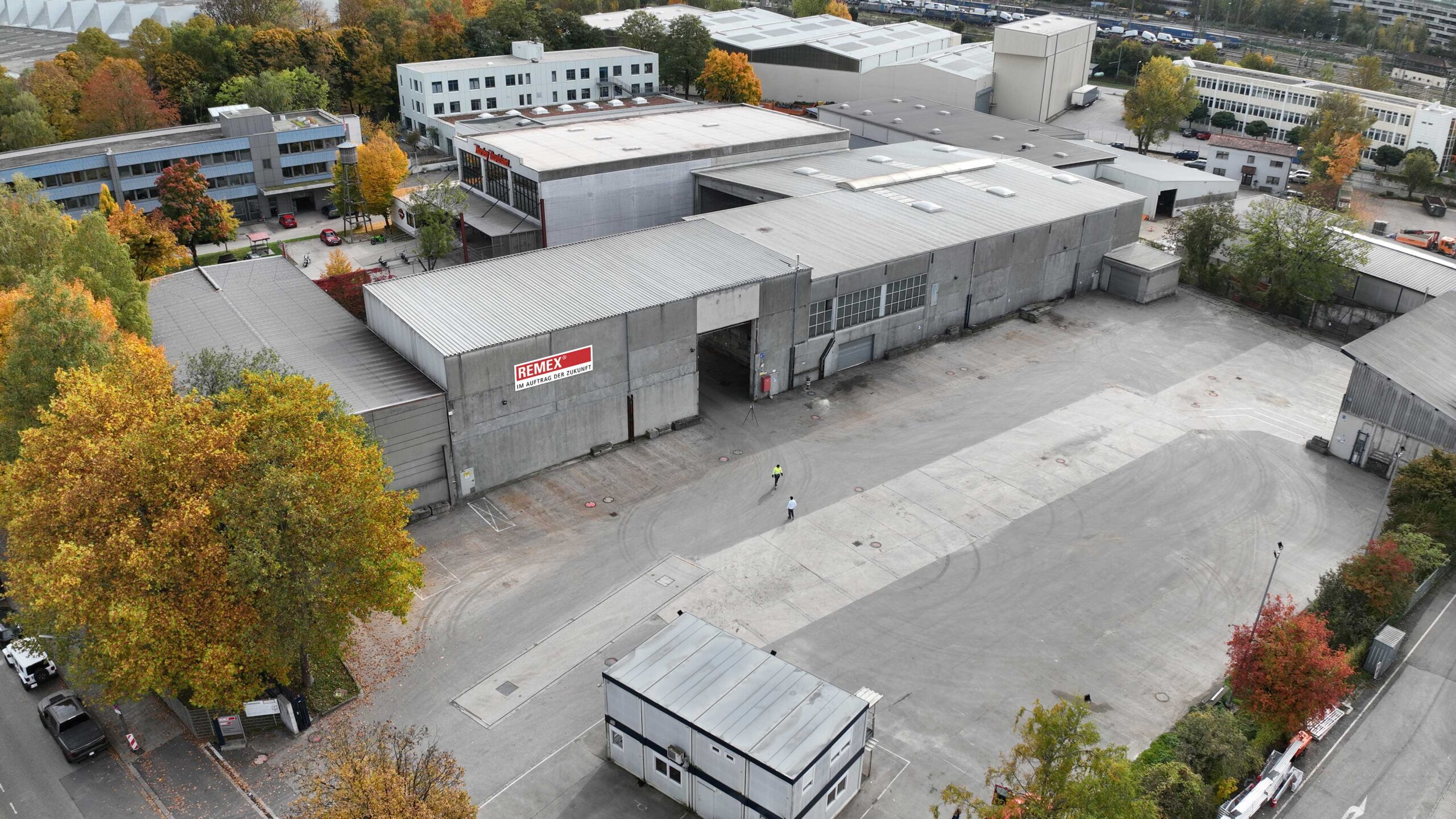
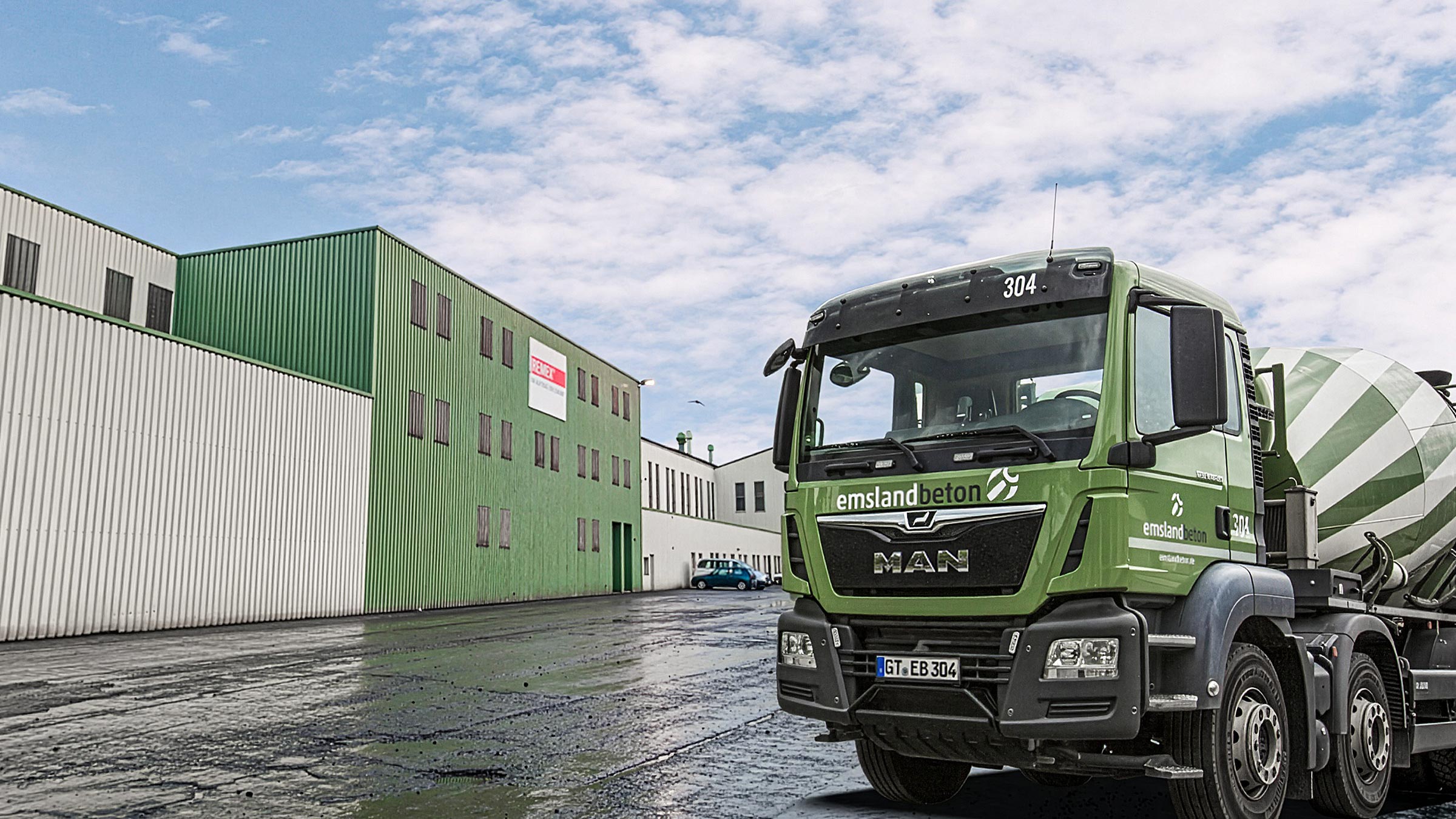
400 m² of space on the REMEX Bochum site in order to operate its stationary liquid soil plant where the most important resource for production is available: soil material. REMEX is responsible for receiving, processing and temporarily storing the suitable soil, while Emsland produces and distributes the liquid soil without additional transport routes.

Soil acceptance, treatment and recycling challenge
Every year, REMEX accepts around 200,000 tonnes of soil and construction waste at its plant in Bochum. The company uses this material to produce recycled minerals that are used in earthworks and road construction in accordance with the Secondary Aggregate Directive. If the properties of the input materials do not allow for recycling or if there are no suitable recycling options for the substitute construction materials, they must be disposed of in landfills for low-contaminated waste – usually DK 0 and DKI landfills.
Excavated soil in particular is often unsuitable for reuse and compaction. This results in the disposal of the material and the procurement of natural building materials such as gravel and sand to backfill the excavation pit. The liquid soil process offers the possibility of processing the excavated material into a filling material that meets the structural requirements for reinstallation. Compared to the original soil from which it was produced, it has improved technical properties, including fluidity, pumpability and self-compaction.

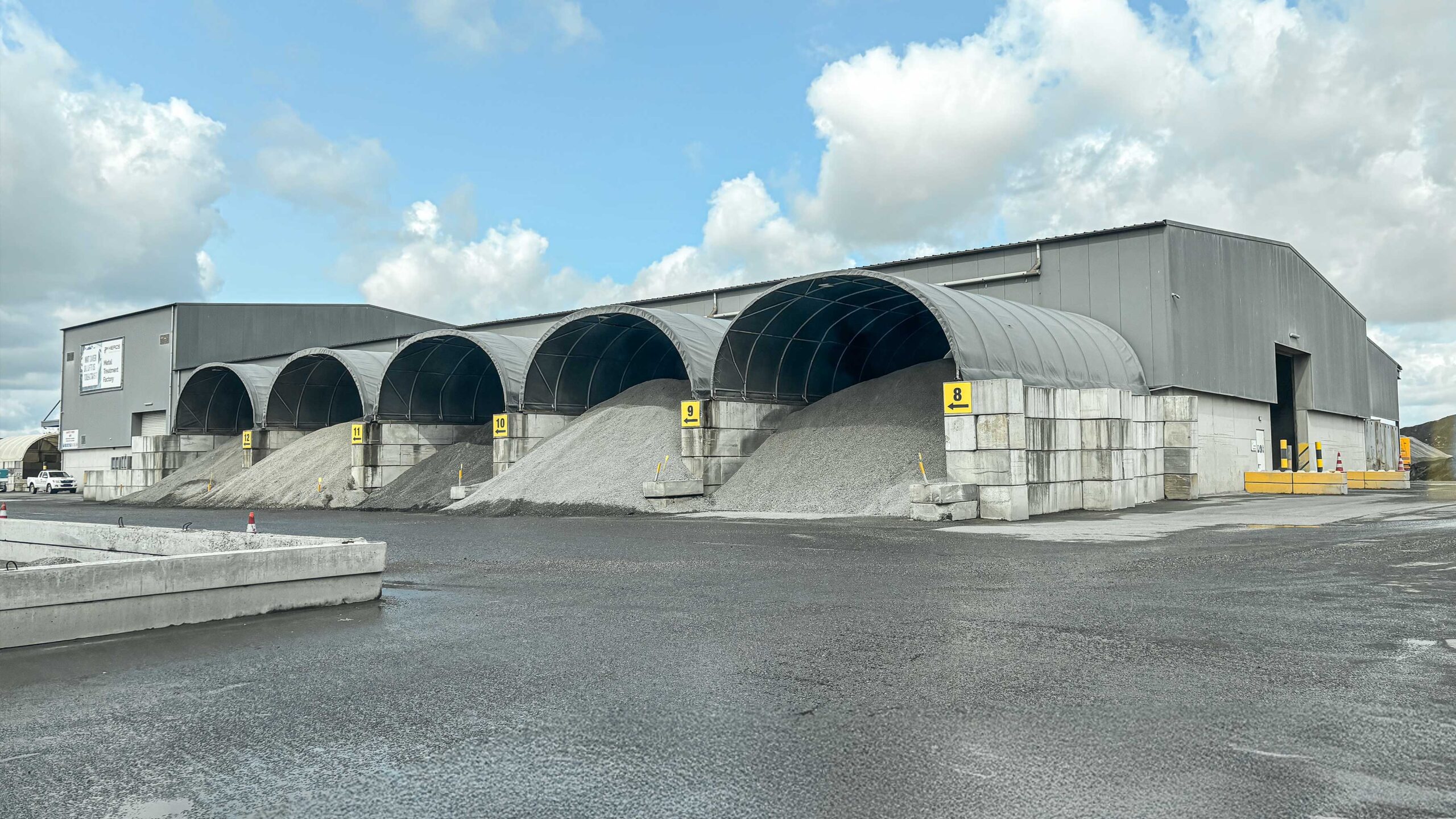
Delivered soil (AVV 17 05 04)

Sifted soil (AVV 19 12 09) as a feedstock for further processing into liquid soil
Plant, manufacturing process and reuse
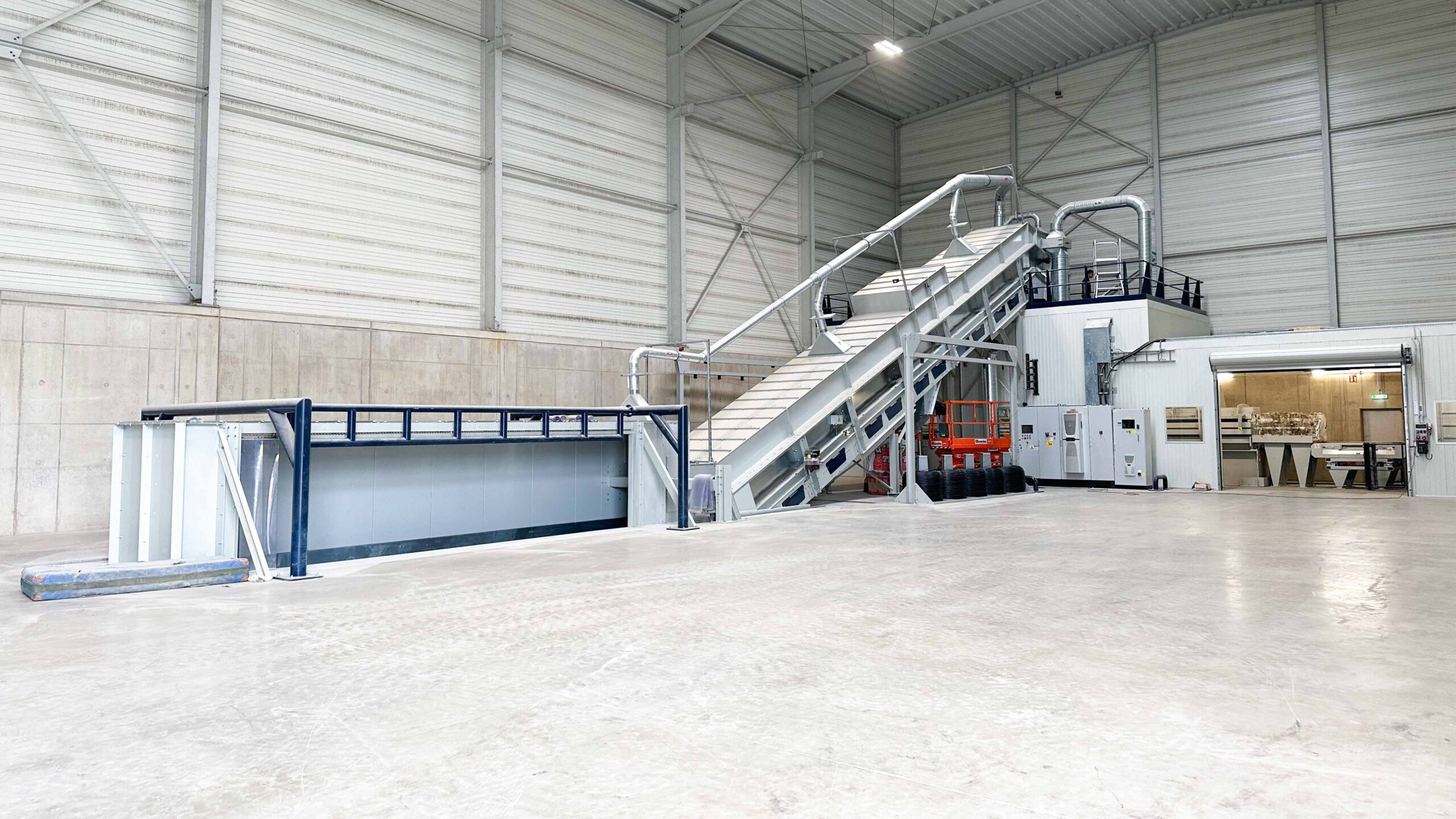
Emsland’s production plant in Bochum consists of three silos, a mixer and an office and social container. Cement, a compound based on clay minerals, water and, if necessary, additives are added to the soil as the main component during production. The liquid soil is transported to the construction site in truck mixers. The backfill material can be poured into place on the construction site using a chute, pipe or pump. The cement causes the material to begin setting after approx. 90 minutes, meaning that it can be walked on after a few hours and built on after 24 hours.

Cost-effectiveness and sustainability
For many inner-city construction sites in Bochum, the plant on Karl-Lange-Straße, with its central location, is proving to be both economically and financially attractive. Since the start of the cooperation, REMEX has provided sifted soil for the production of more than 12,000 m³ of liquid soil. Its use by Emsland as a backfill material avoids transport to landfill and disposal, which is a plus in terms of sustainability and is becoming increasingly important for more and more contractors.

Liquid soil: properties, production and areas of application
As raw materials for liquid soil, natural, recycled or industrially produced aggregates are permitted. Liquid soil can be produced in mobile or stationary plants. The type of production method is influenced by factors such as the location of the construction site, the space available on site, the construction time and the quantity required.
Due to the addition of water and bentonite, liquid soil is temporarily fluid and thixotropic. The addition of cement to the mixture causes the suspension to begin solidifying approximately 90 minutes after production.
The most important properties of liquid soil:
- flowable and pumpable
- self-compacting
- settlement-free and gas-permeable
- suitable for rapid construction
- mechanically recoverable at any time
Liquid soil is used in road construction, earthworks and civil engineering. The most common areas of application include backfilling and filling trenches and cavities during the construction of sewers and pipelines, energy, district heating and electrical lines.
The cooperation between REMEX and the Emsland Group shows how excavated soil can be recycled in a resource-efficient, economical and structurally sound manner thanks to short transport distances and stationary liquid soil production.
Share article