
Urgent action needed
The analysis by the European statistical office EUROSTAT for the year 2024 confirms that the EU has still some way to go to achieving the circular economy targets it set for itself. According to the report, the circularity rate which takes into account all raw materials should be increased to 23.2% by 2030. A target that only the Netherlands has achieved so far; they lead the European rankings with 32.7% while the EU average is reported as 12.2%.
Circularity rate in the EU, development from 2004 to 2024

Source: Eurostat (online data code: env_ac_cur)
In order to boost change, the European Commission is working on a Circular Economy Act due for adoption this year. A main issue this act must address is the insufficient demand for and use of secondary materials.
It is commonly acknowledged that Europe does not fully benefit from its resources: too much waste still ends up in landfill.

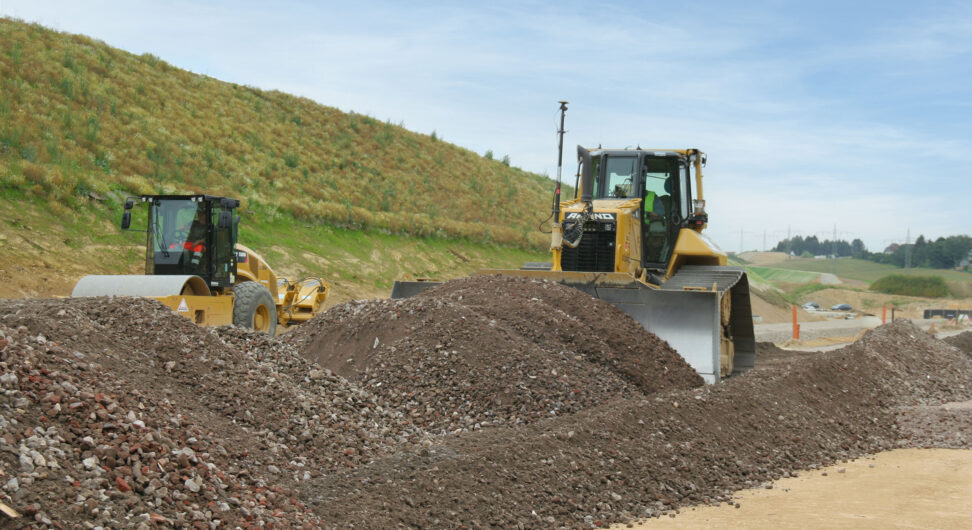
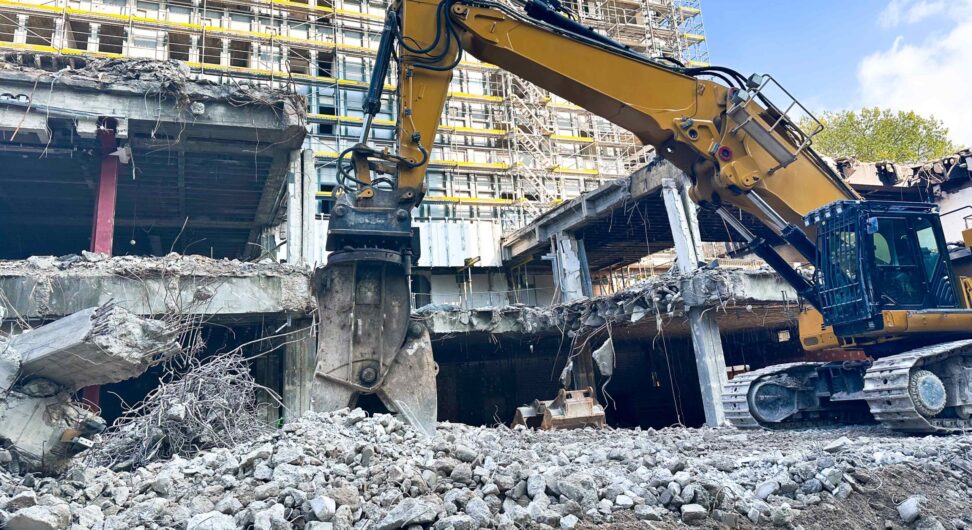
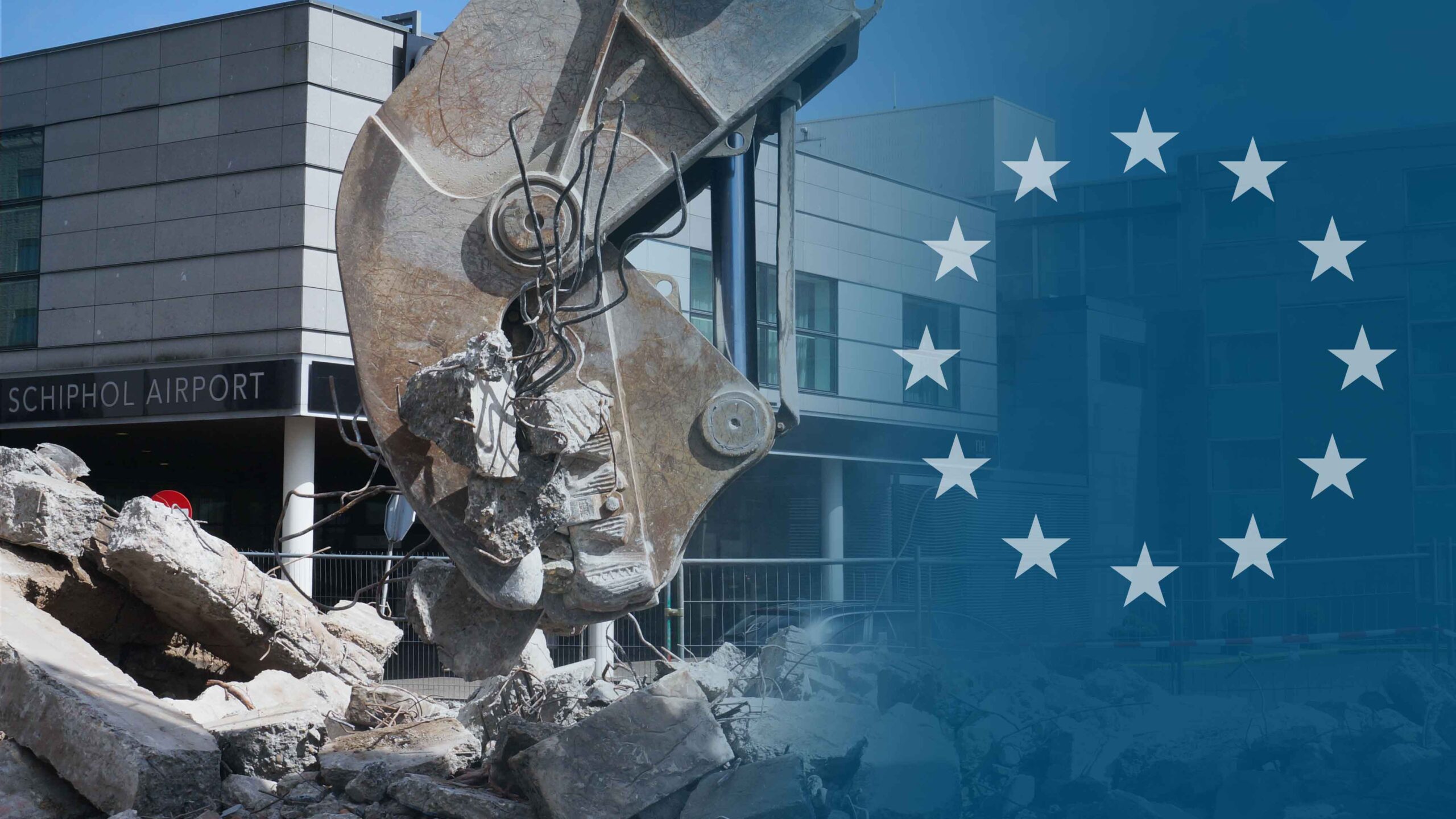
Mineral waste – mainly Construction & Demolition Waste (C&DW) – constitutes the biggest waste volume in Europe, about one third of all waste, thus offering the biggest potential for more material circularity. Exact data are lacking, the overall amount of C&DW is assumed to be in the range of 500 million tonnes per year. Consequently, the Circular Economy Act has to put emphasis on this resource to fulfil its goals. However, so far, the opposite seems to be the case.
Current proposal insufficient
Whereas the flow of C&DW should be directed to recycling and whereas use of recycled materials needs to be encouraged, one of the main measures considered by the European Commission is to make digitalised pre-demolition audits mandatory. Although this will contribute to reuse and recycling if designed well, this will not solve the inherent challenge, which is why other measures are also necessary.
Best practice
In Member States with good results, such as the Netherlands, it is evident that decisive measures to prevent the landfilling of construction and demolition waste and to promote the use of recycled materials are crucial to achieving high recycling rates. Translated to the EU level, setting a clear target for the recycling of inert construction and demolition waste, enforcing a priority rule for recycled construction materials and introducing reliable tracking would be amont the most promising measures.
Longstanding engagement of industry so far unheard
For quite some time now, the recycling industry has been highlighting the unused economic and environmental benefits of a true circular economy. Mineral experts such as REMEX and industrial associations are calling for a clearer commitment from the EU, keen to bring in the experience and knowledge of its members into the current discussions on the planned regulation. Already in February this year, the associations FIR and FEAD joined forces for more impact.
To boost circularity and to achieve its 2030 circular economy targets, the focus of the EU Circularity Act must put more emphasis on minerals.
Share article