
Roast ash as a source of raw materials
Thermal waste treatment reduces waste to around a quarter of its original volume; this residue, produced after incineration, is alternatively referred to slag or incinerator bottom ash (IBA). It consists to around 90% of mineral components and around 10% ferrous and non-ferrous metals such as aluminium, copper or zinc. Modern processing technologies make it possible to recover these materials with high efficiency and reintroduce them into the material cycle. In this way, an incineration residue becomes an important component of the urban raw materials life cycle.

Mobile processing: recycling directly at the source
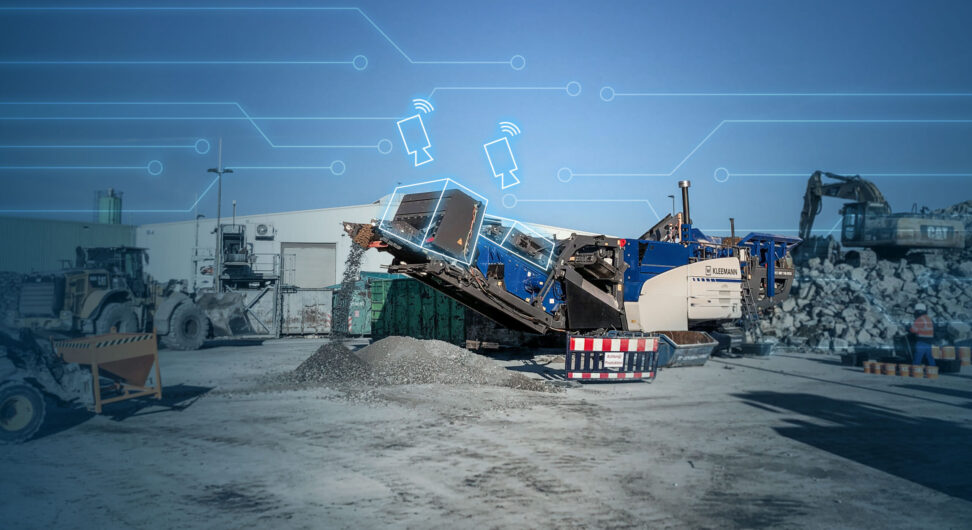
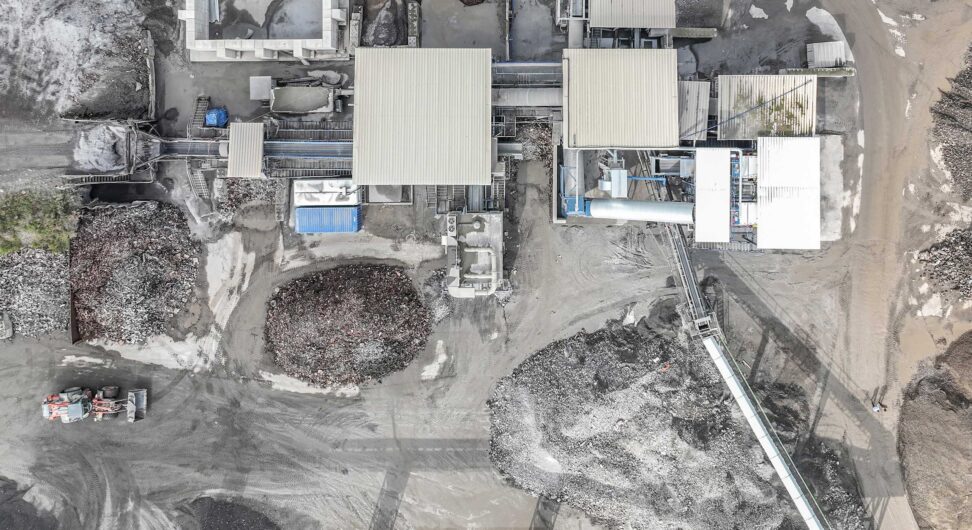
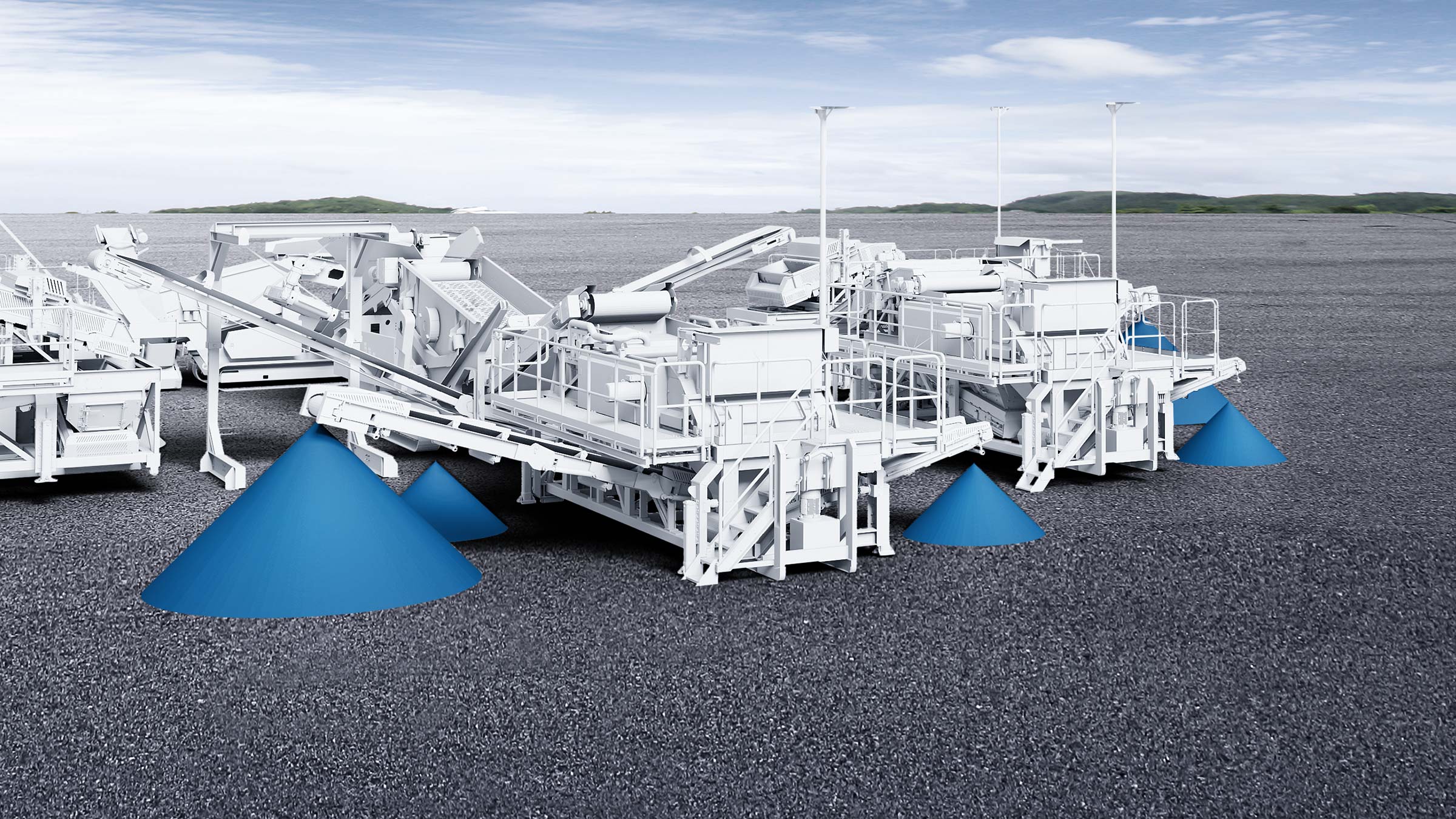
In order to recover resources at the point of origin, there is the option of using a modular, mobile plant concept in addition or alternatively to a stationary solution. The individual modules can be easily transported by ship, lorry or train, installed quickly and operated flexibly – for example, directly at a waste-to-energy plant or at a landfill site. This enables efficient processing even in places where stationary plants are not available or need to be supplemented, or where the recycling rate and quality need to be improved.
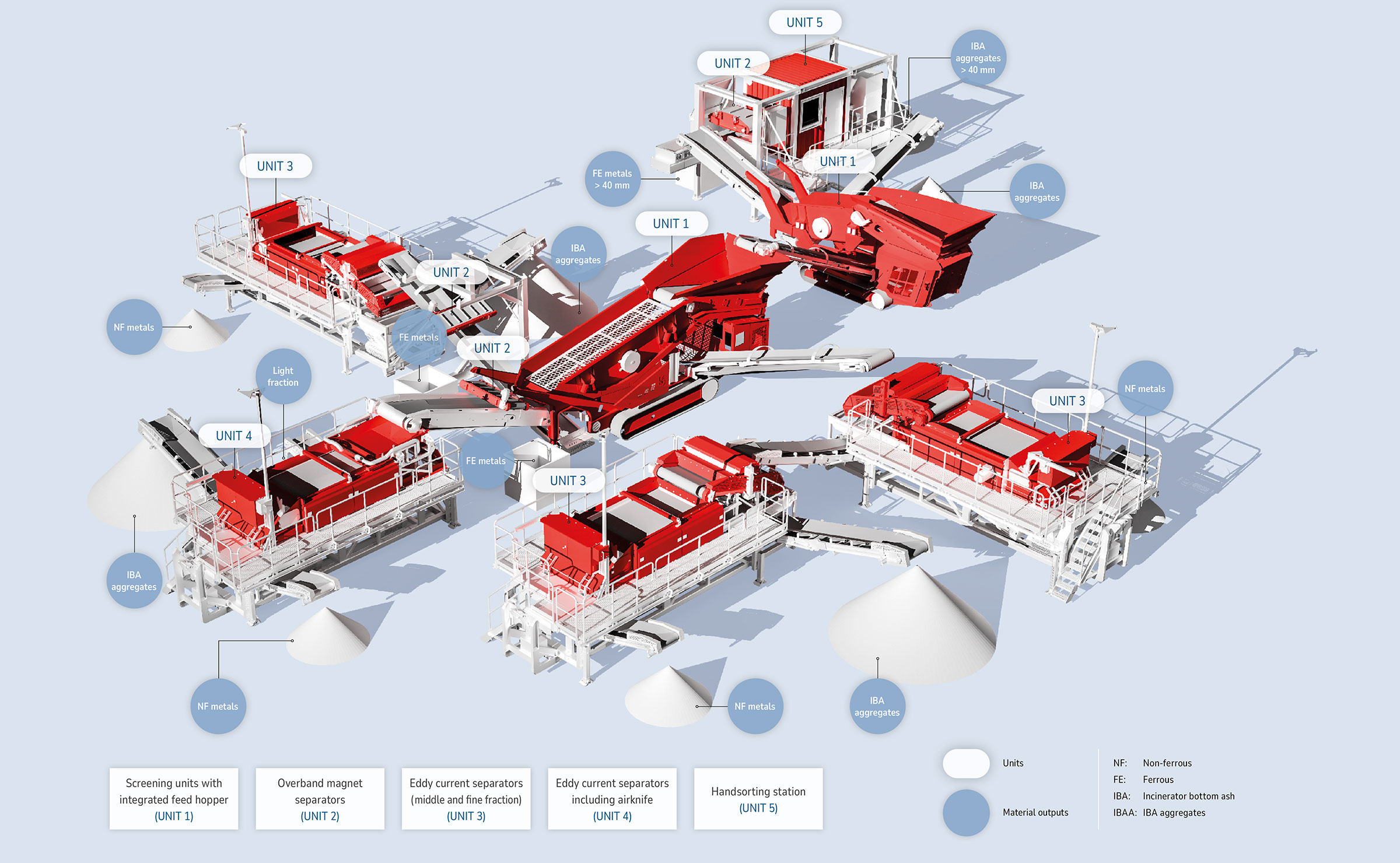
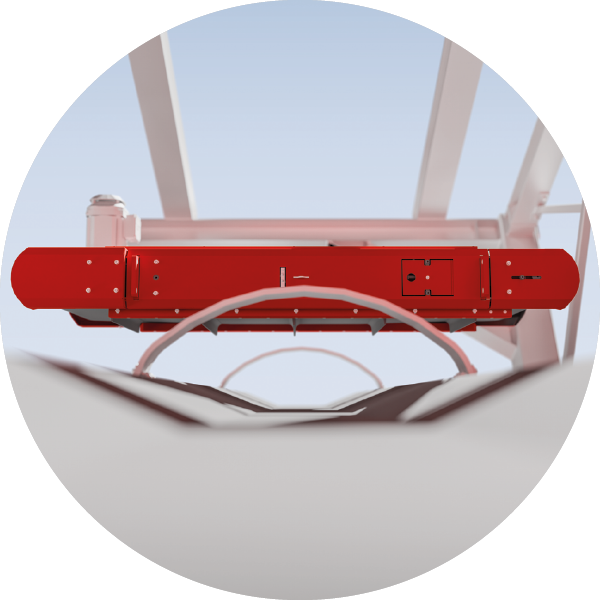
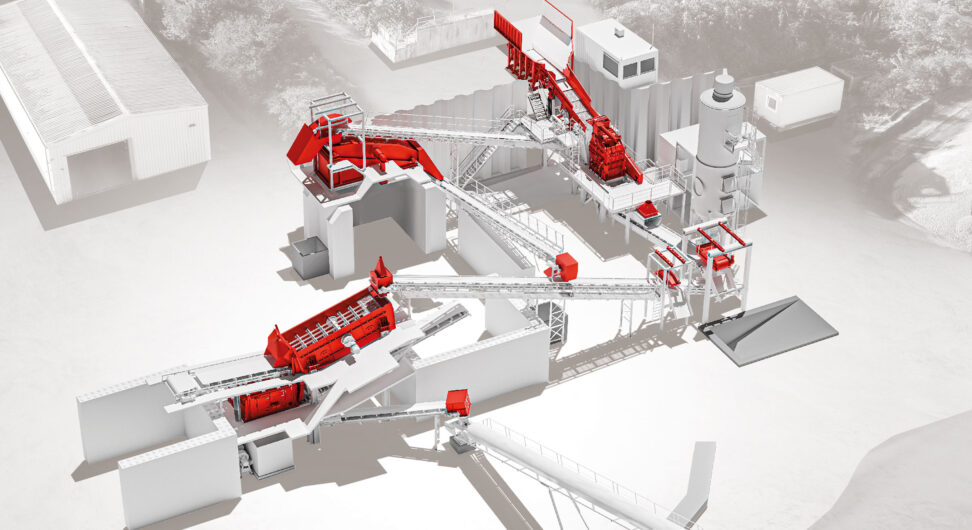
Magnetic separation of ferrous metals above the conveyor belt enables continuous recovery and protects downstream plant components
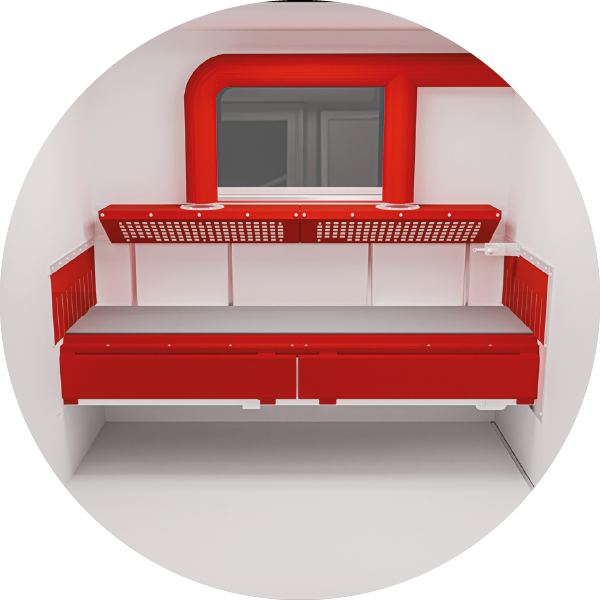
Sorting of coarse recyclables and contaminants with different physical properties, such as plastic film, cookware or wood
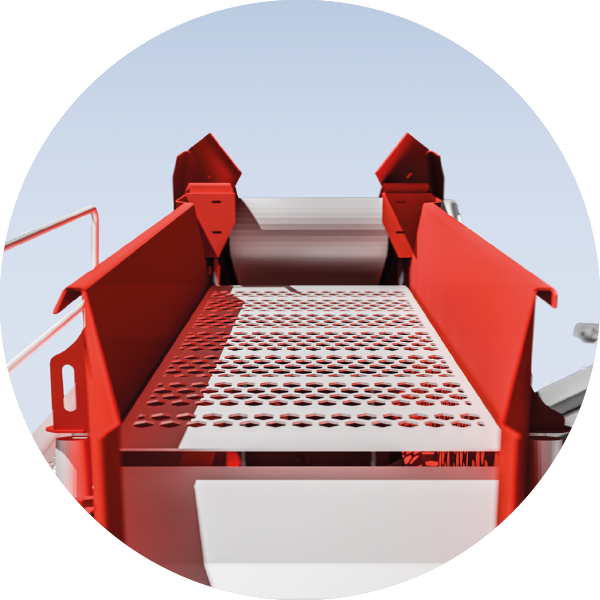
Separation of coarse, medium and fine mineral fractions in preparation for subsequent process stages
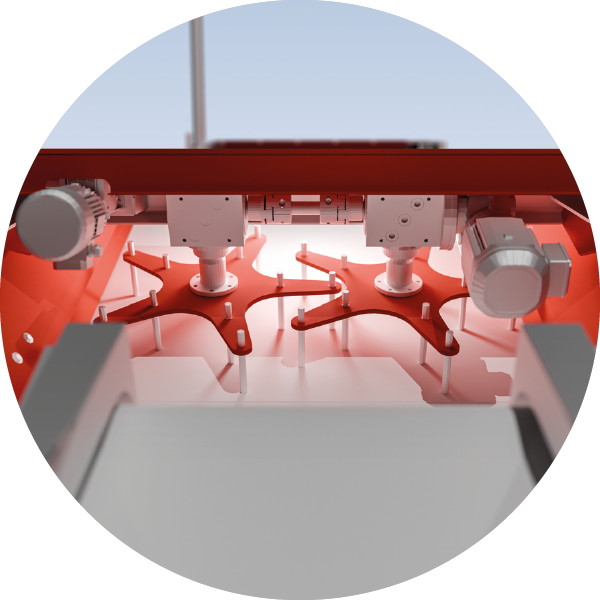
A combination of methods for separating ferrous and non-ferrous metals using magnetic and electromagnet technology
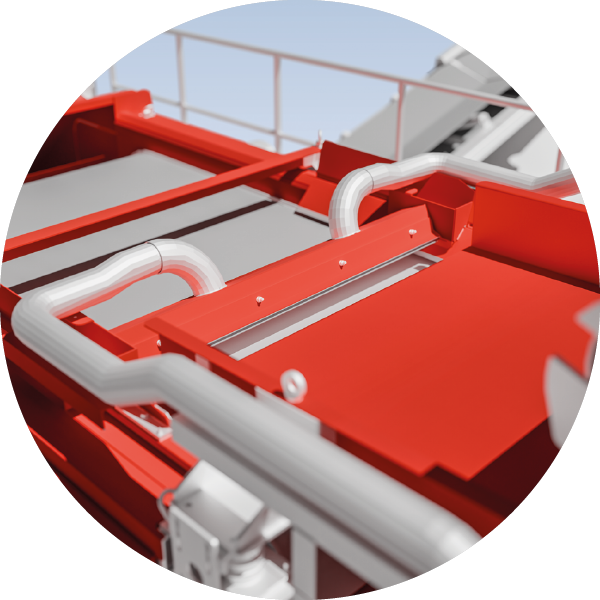
Separation of light impurities such as paper and wood, and further recovery of fine non-ferrous metal mixtures
Mobile processing follows a clearly structured process in which incinerator bottom ash is separated into different particle sizes and then treated in a targeted manner. Mechanical and physical processes are combined to efficiently separate metals and mineral components by fraction.

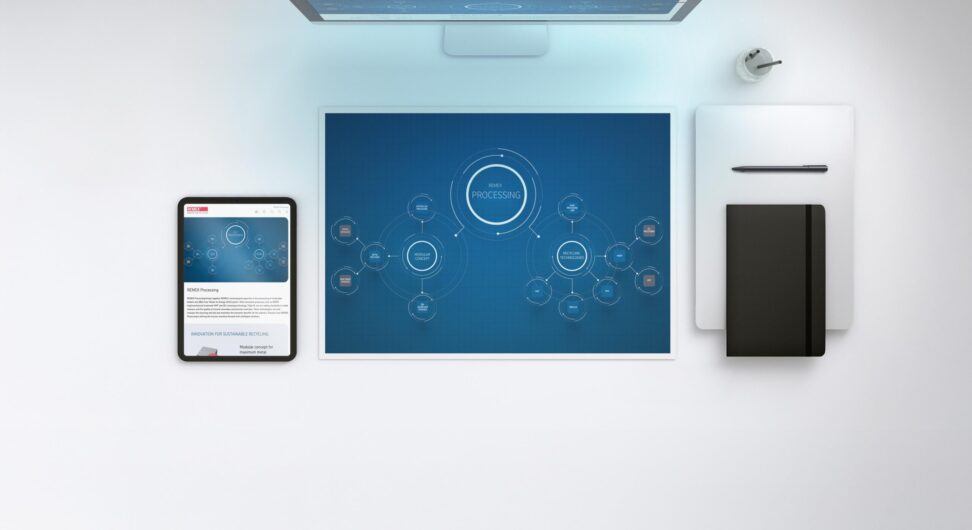
Find out more about mobile IBA processing on REMEX’ focus website
From waste to recycled material
The recovered metals are returned to the recycling market; thanks to a refinement process carried out by REMEX, a significant part can be used and smelted directly by the metal-processing industry. The mineral fraction is processed into quality-controlled secondary construction materials in accordance with national regulations, such as the German Secondary Aggregate Directive. They can be used in various sectors, for example in earthworks and road construction or in the manufacture of concrete products.
The positive effects of IBA recovery on the climate and resources
- Savings of 0.55 m³ of natural materials such as gravel and sand per tonne of IBA recovered
- Reduction in landfill volumes by 1.0 t per tonne of incinerator bottom ash recycled
- Significant CO₂ savings through the provision of recovered recycling metals for metal production
The combination of longstanding industry expertise and state-of-the-art processing technology demonstrates how material cycles can be consistently closed. Mobile and stationary solutions complement one another, enabling flexible adaptation to regional requirements.
From plant design through to operation and the marketing of secondary raw materials, REMEX supports IBA recycling throughout the entire value chain.
You can find a concise overview of technologies, processes and applications in our brochure.
Share article