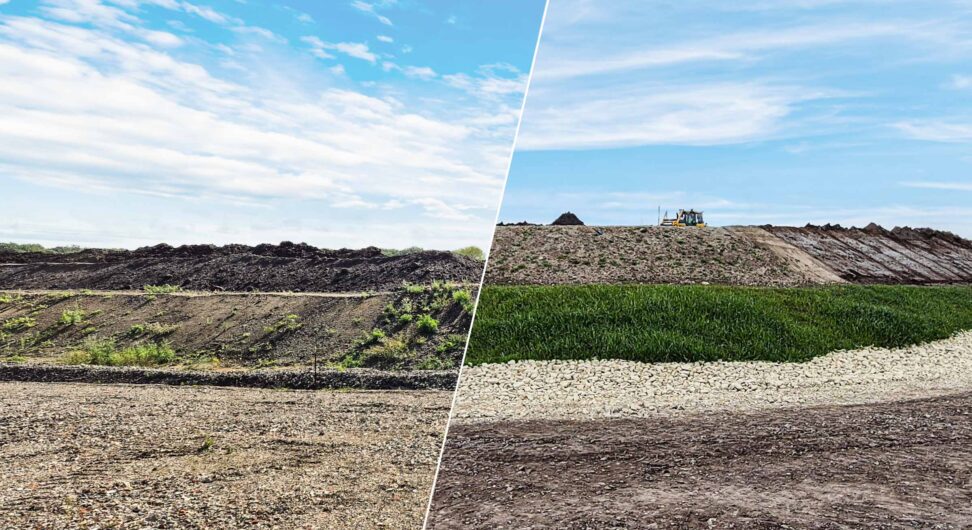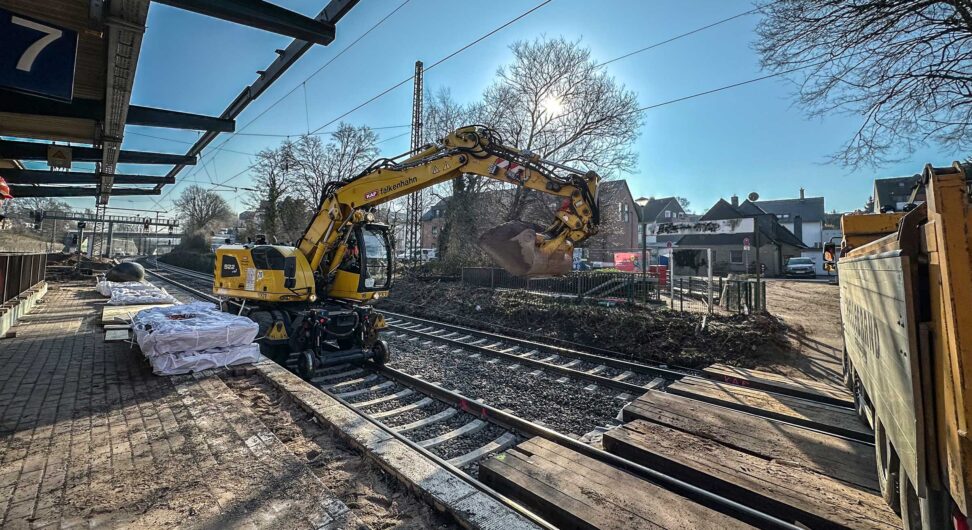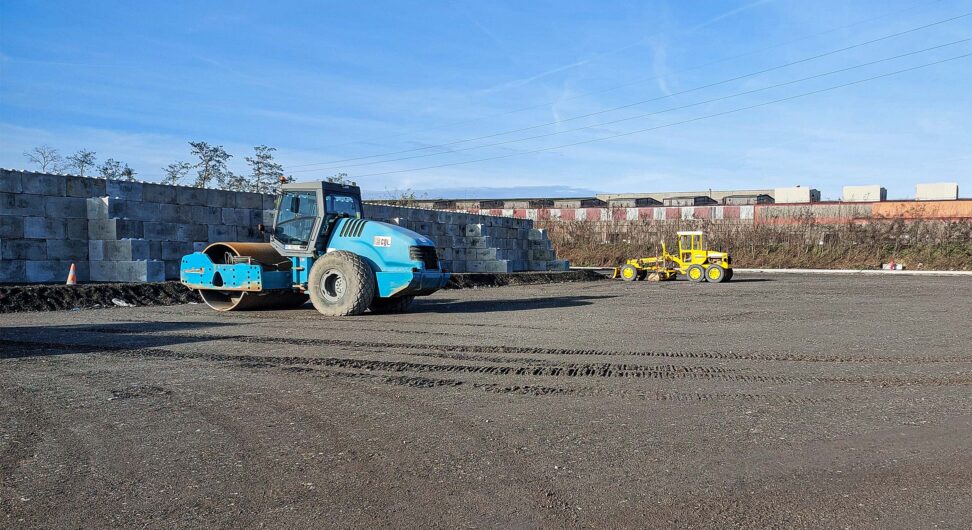

The day-to-day tasks at a landfill site include the safe and legally compliant disposal of the waste received. The waste must be deposited in such a way as to create a stable landfill body. This is particularly important for heap-type landfills. It must be possible to trace at all times which waste was deposited when and in which area of the landfill. For this reason, the sections of the landfill to be filled are divided into a grid. Waste is deposited at a defined location and documented in the waste register.

Expansion of responsibilities
REMEX GmbH has been responsible for the operational management of the Hubbelrath central landfill since 2010 and the Haus Forst landfill in Kerpen since 2018. As part of this role, the company is responsible, among other things, for waste reception and disposal, documentation, landfill construction activities, and emission and immission controls. Until the end of 2025, external specialist companies were commissioned to carry out the waste installation work. In anuary 2026, REMEX GmbH has taken over this area of operation, transfering responsibility in-house,
Joint planning
Taking on the placement operations gives REMEX greater autonomy and flexibility in its day-to-day operations. The change was introduced following extensive consideration and close consultation with colleagues responsible for the sites. In the run-up to this in the previous year, the staffing requirements and the necessary machinery for the two sites were defined, experience was analysed, and the staffing and machinery plans drawn up were assessed.
ZDH landfill

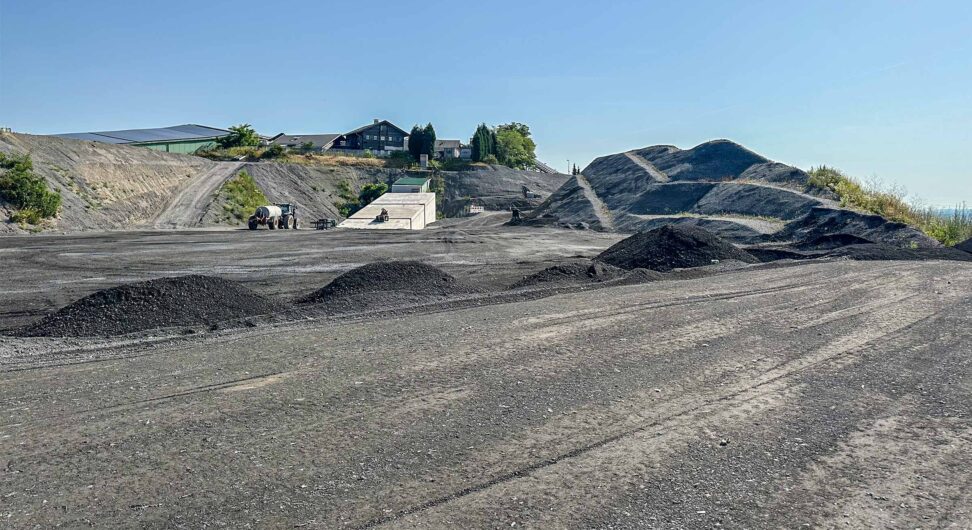
Located in the east of Düsseldorf, ZDH is a key component of the waste management infrastructure for the state capital of North Rhine-Westphalia and the surrounding region. The DK-II landfill site accepts up to 2,500 tonnes per day of mineral waste authorised for disposal. With an annual disposal volume of 225,000 tonnes, the planned remaining operational life is set to last until 2036.

Landfill Kerpen

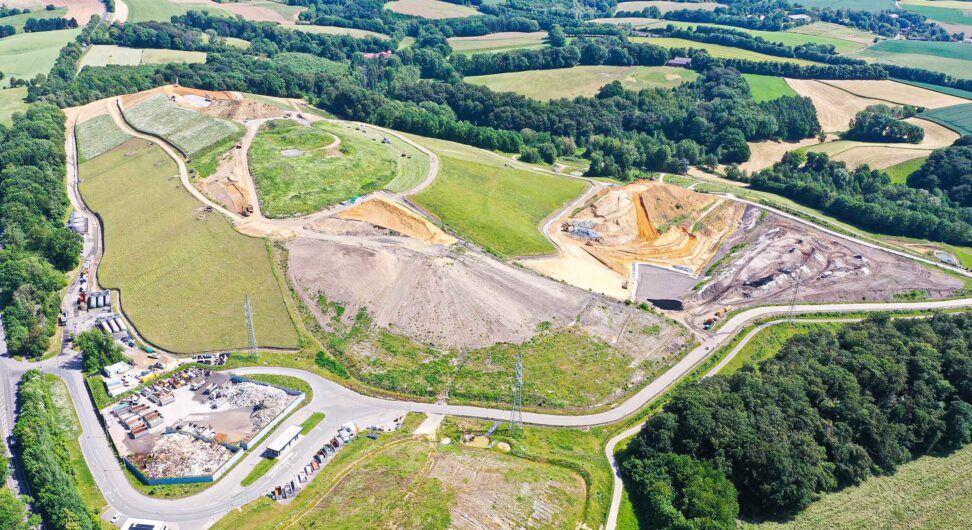
The Haus Forst landfill site in Kerpen began operations in 2020 as a DK-I landfill; in 2026, the Cologne District Government approved an increase of the volume and the construction of an additional DK-II section. Currently, the second DK-I landfill section is being filled; at peak times, up to 4,000 tonnes of mineral waste are accepted and deposited each day, mainly non-recyclable soil and construction waste.
Expansion of the machinery fleet
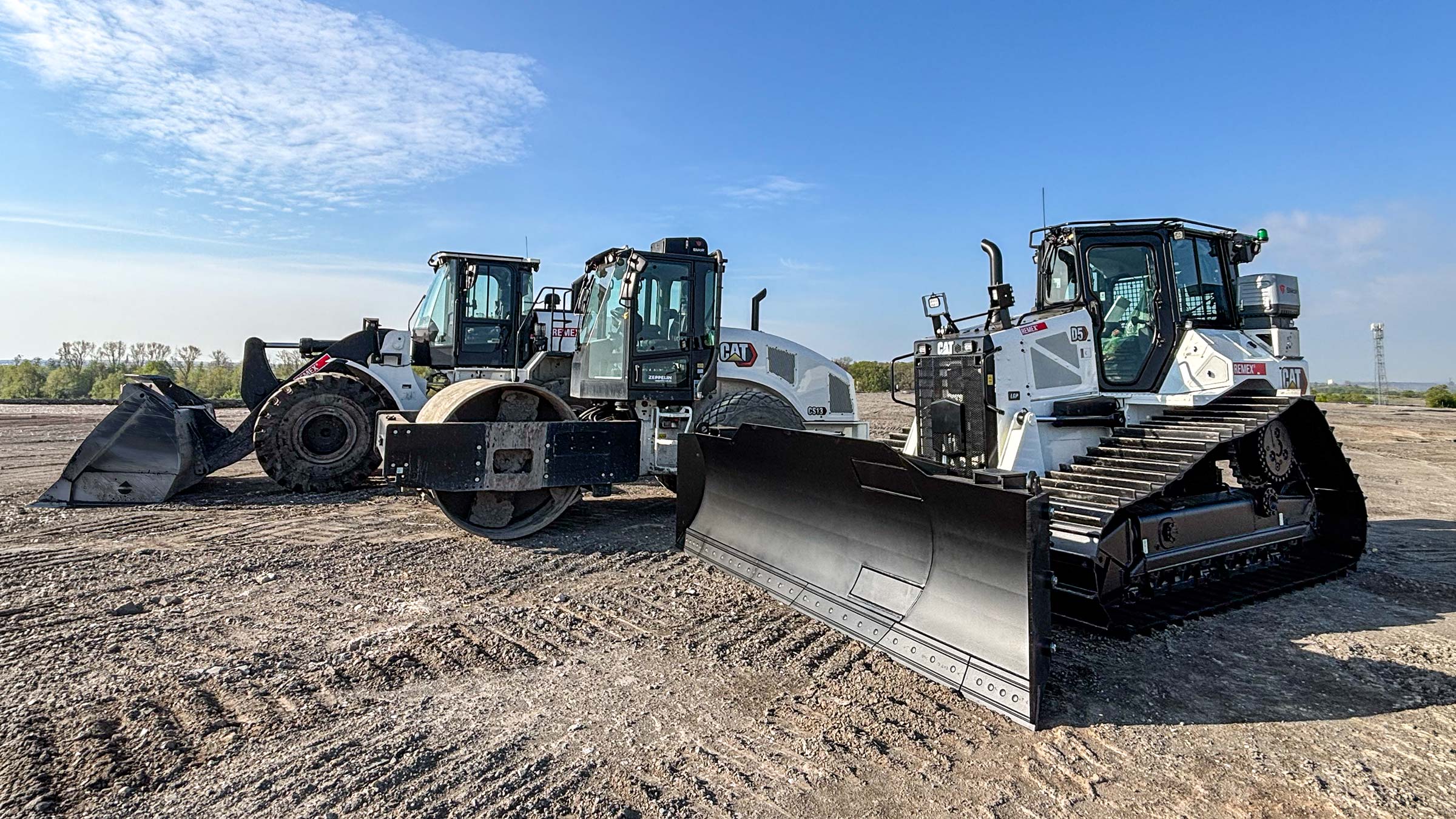
To ensure an economically and technically sustainable machinery solution, the central procurement department was involved at an early stage. Key criteria in the selection of suppliers included, in particular, the high technical reliability of the machinery, a long-term guarantee of service and spare parts supply, and technology that has proven its worth in landfill operations. Following intensive negotiations and a comprehensive comparison of various manufacturers, five new CAT machines were procured: two wheel loaders, two crawler dozers and one vibratory roller. Year-round maintenance of the infrastructure and other traffic and access areas is ensured by tractors fitted with various attachments, including, for example, a water tank, a salt spreader, a broom and a snow plough.

Plans to extend the scheme to further landfill sites
The aim of the transition to in-house placement operation is to improve management control and ensure consistent quality of work at the landfill sites. Both factors form the basis for the economically stable and forward-looking development of the landfill sites. ZDH and Haus Forst are the first to be included in the scheme – further landfill sites are set to follow in stages from 2027.

Share article