So-called “spaghetti-junction” is getting ready for the future
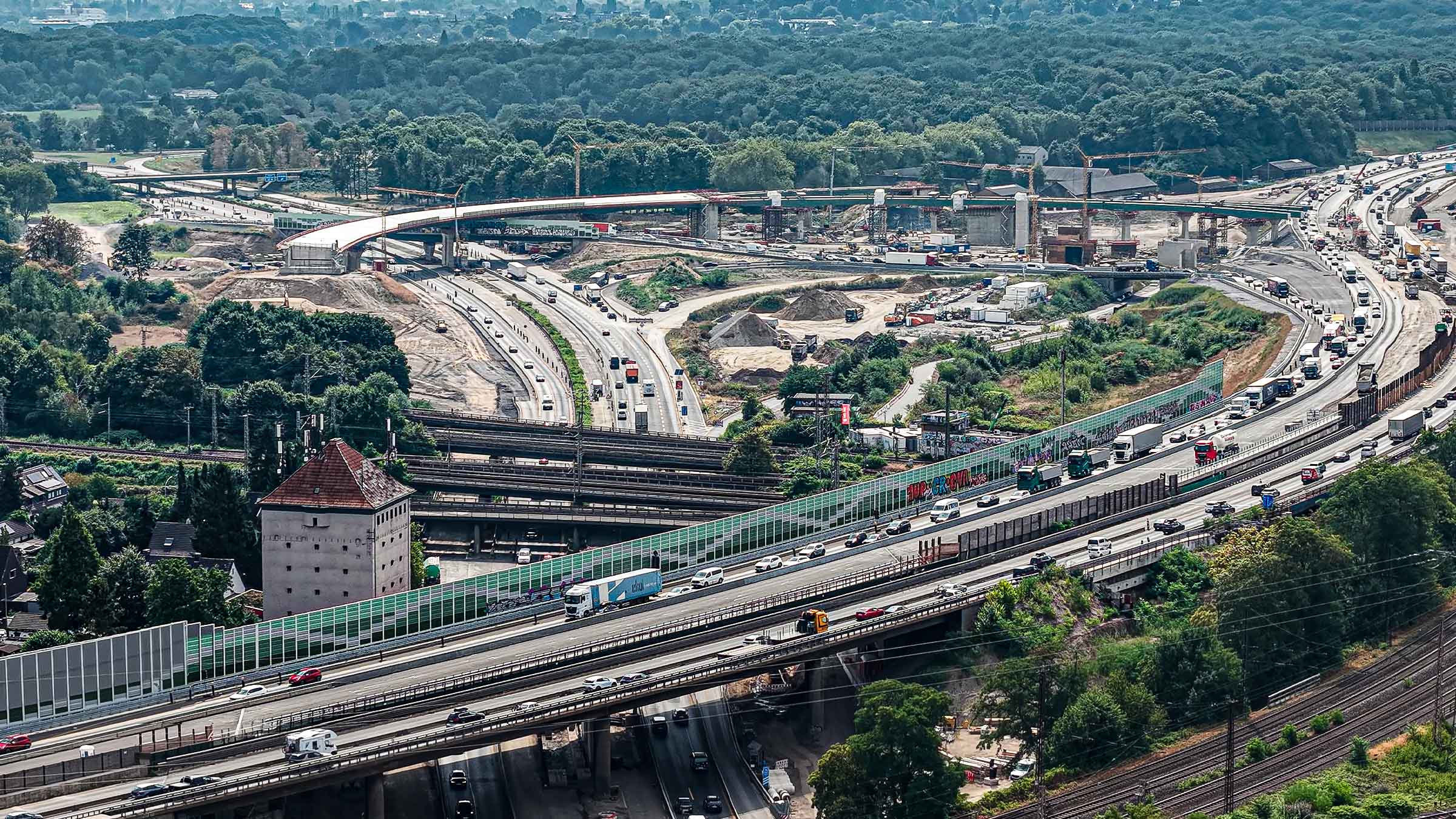
With more than 150,000 vehicles passing through every day, the Kaiserberg motorway junction is one of Germany’s most important transport hubs. As part of the comprehensive modernisation of the motorway junction – also known as the ‘spaghetti junction’ due to its design – Autobahn GmbH aims to increase capacity and improve the flow of traffic on the heavily congested A3 and A40 motorways through new traffic routing schemes, with a view to achieving long-term improvements. The overall project comprises numerous individual projects – including the construction of new bridges, the resurfacing of carriageways and the construction of new slip roads and retaining structures.
One of the largest infrastructure projects in North Rhine-Westphalia
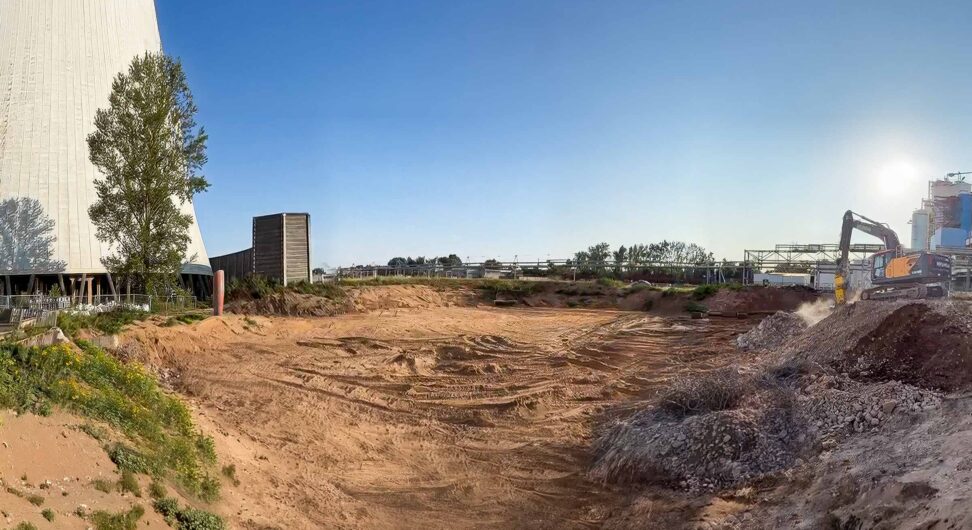
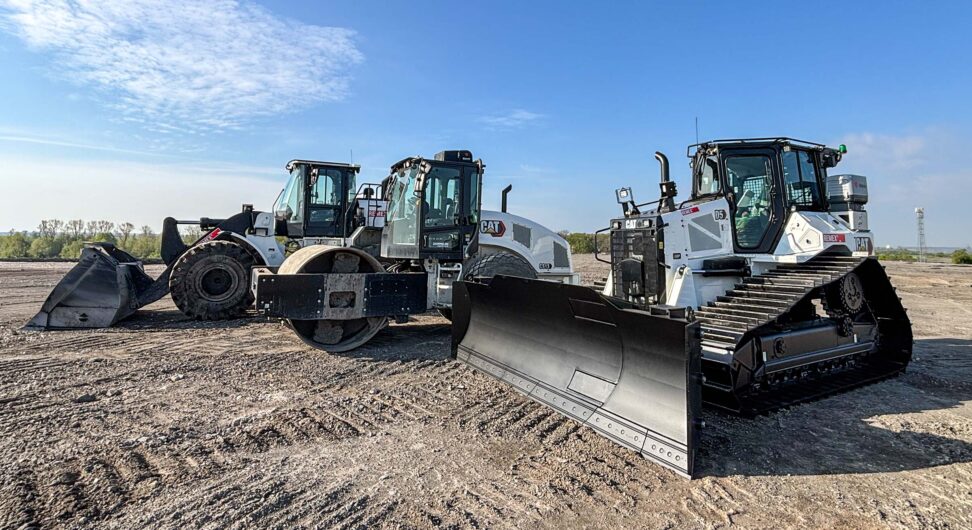
Due to it complexity, the project consists of numerous construction stages. REMEX’s subsidiary, B+R Baustoff-Handel und Recycling Düsseldorf-Neuss GmbH, has been involved since May 2025. Together with the construction companies Eurovia and Amand, B+R is responsible for both the disposal of mineral construction and demolition materials and the supply of quality-controlled recycled mineral materials to the construction site. This is because sustainability and reuse play an important role in the motorway project of the Autobahn GmbH, says project manager Frank Theißing. It is not just the steel that is recycled. The concrete is also processed, crushed and recycled, and can then be used in road and motorway construction.

Large material flows in line with the circular economy
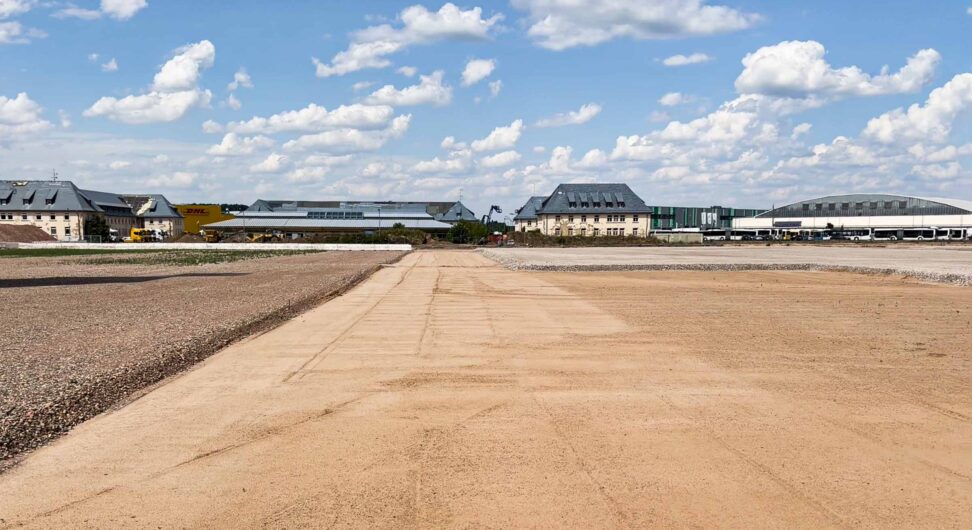
And this seems sensible, if only in terms of the sheer volume of material flows involved. Even the quantities of material moved during the first construction phase are impressive and illustrate the scale of the project – 48,000 tonnes of processed soil alone were used for a bridge approach in the first construction phase. The figures below demonstrate the significance of high-quality recycled and secondary materials for major infrastructure projects – and how increasingly important they are for sustainable construction at both state and federal level.

Next milestone: 200,000 tonnes of secondary construction materials for new ramps
Since June 2026, a joint venture comprising Eurovia and Amand has been carrying out the ‘A3 Ramps BW5 including Kaiserberg retaining wall’ works. B+R is expected to supply a further 200,000 tonnes of quality-controlled soil material of class BM-F1 for the new ramp embankments. To ensure that the high requirements for these earthworks – which are up to 14 metres high – in terms of load-bearing capacity and setting behaviour are reliably met, the soil’s mechanical properties are continuously monitored, in addition to the environmental characteristics specified in the German Secondary Aggregate Directive. Once completed, the new bridge structures and road sections are expected to achieve a technical service life of 80 to 100 years.
Sustainable and cost-effective at the same time
Given the high level of investment required in transport infrastructure, it turns out that resource conservation and cost-effectiveness are no contradiction. For the use of mineral-based secondary materials offers three main environmental advantages:
Conservation of 350,000 tonnes of natural materials
by avoiding the extraction of relevant gravel and sand deposits
Cost savings of 3 million euros
compared to construction with primary building materials – a significant eoncomic factor
Conservation of valuable landfill space
by processing and reusing excavated soil and CDW in other projects
Secondary mineral materials: the key to tomorrow’s infrastructure
The use of recycled materials at the Kaiserberg junction vividly illustrates the contribution that the circular economy makes to infrastructure construction today – and how valuable it is in terms of sustainability and public sector costs. By processing and supplying quality-controlled substitute materials, REMEX and B+R are helping to conserve natural resources and close material cycles, whilst at the same time meeting the high technical requirements of one of Germany’s most significant road construction projects. This results in transport routes that are both sustainable and high-performance – resource-efficient, cost-effective and forward-looking.

The Kaiserberg motorway junctions
At the busy Kaiserberg junction in Duisburg – colloquially known as the ‘spaghetti junction’ due to its distinctive design – two major motorways, the A3 and the A40, intersect. Key Deutsche Bahn railway lines also run through the area. To ensure this heavily used junction is fit for the future, Autobahn GmbH Rheinland is refurbishing all the road sections, bridges and slip roads there. The A3 and A40 will also each gain an additional lane in each direction to ease traffic congestion. The construction work is expected to last until 2031. Due to the redevelopment, there are currently major traffic restrictions.
B+R Düsseldorf-Neuss is supporting the refurbishment and sustainable expansion of the Kaiserberg junction throughout the project period – from the collection of demolition and construction waste through to the recycling of building materials and the supply of substitute building materials.
Share article