
More than 100,000 tonnes of mineral construction waste recovered
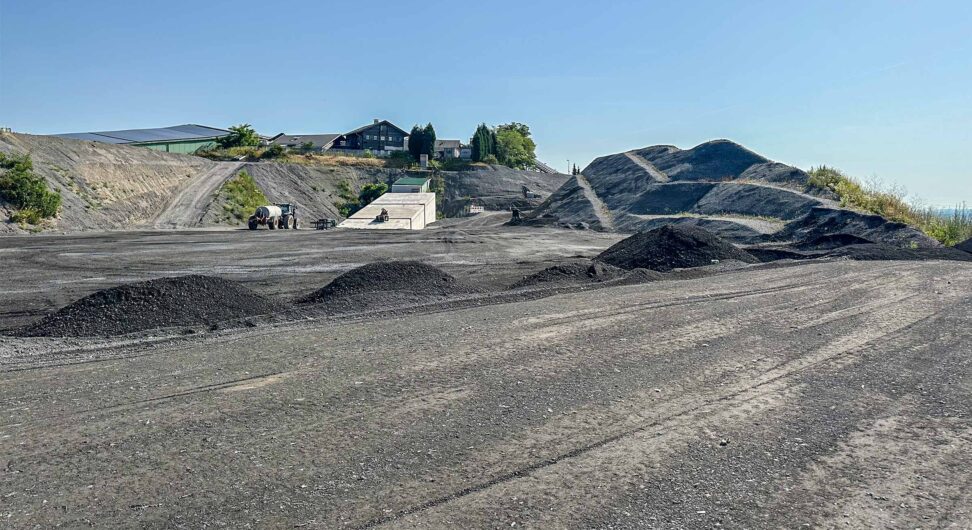
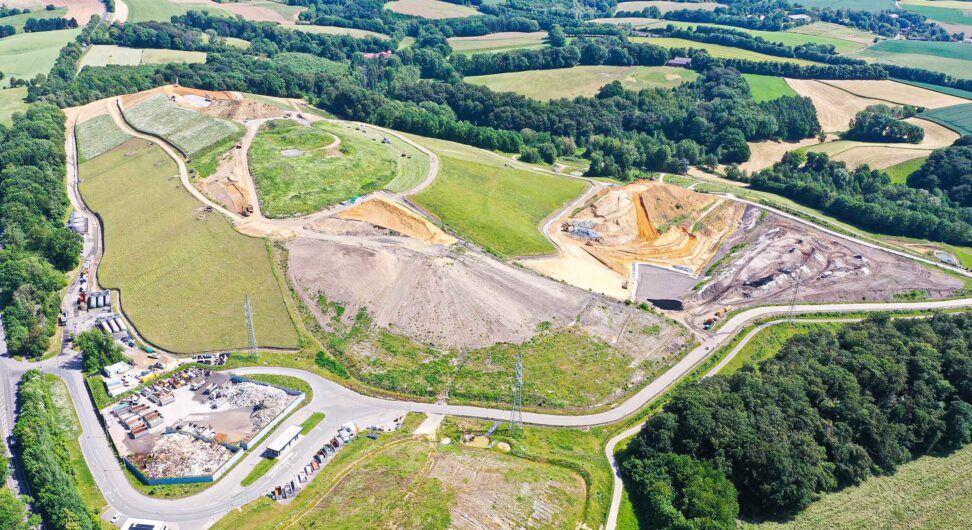
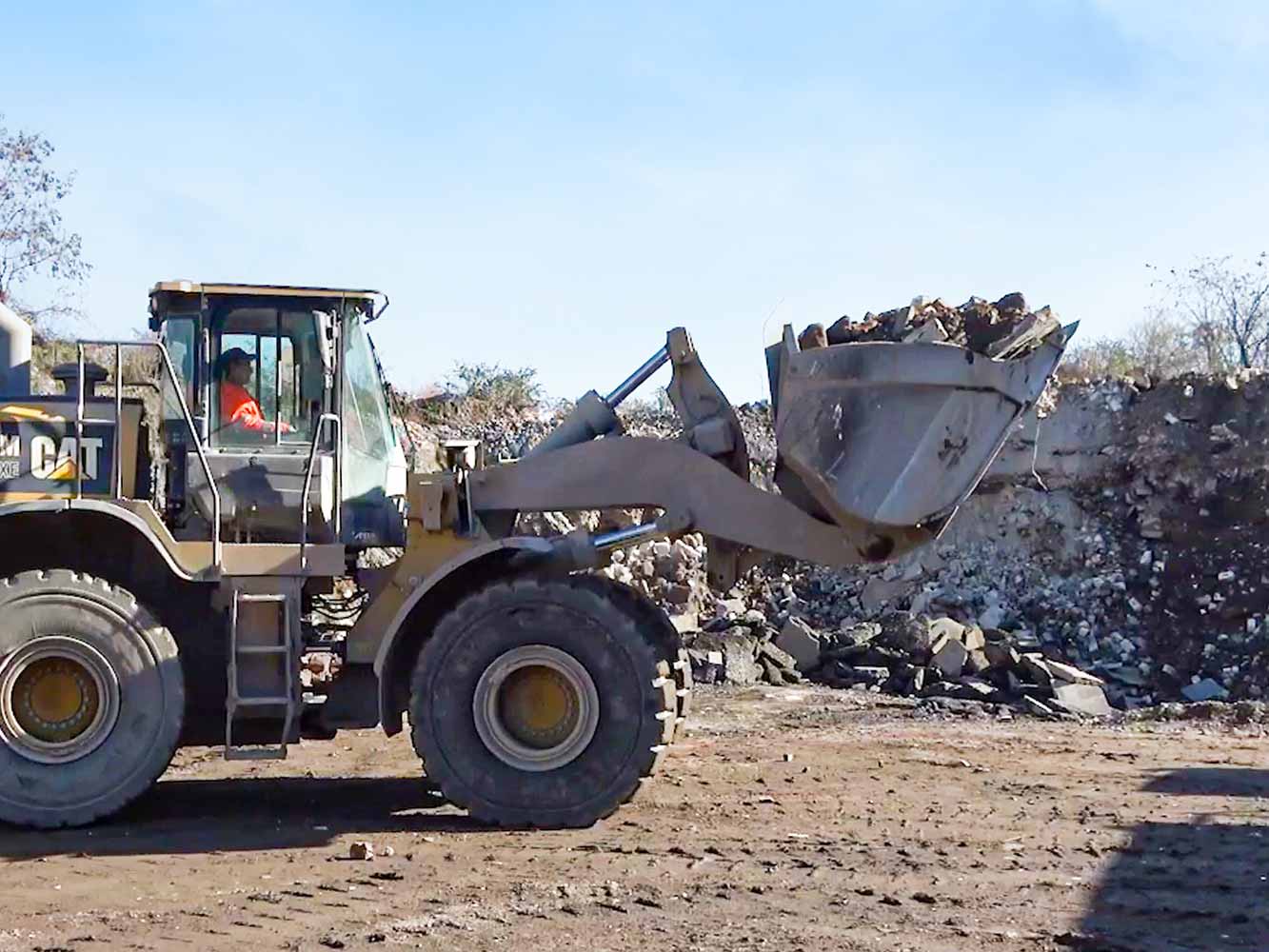
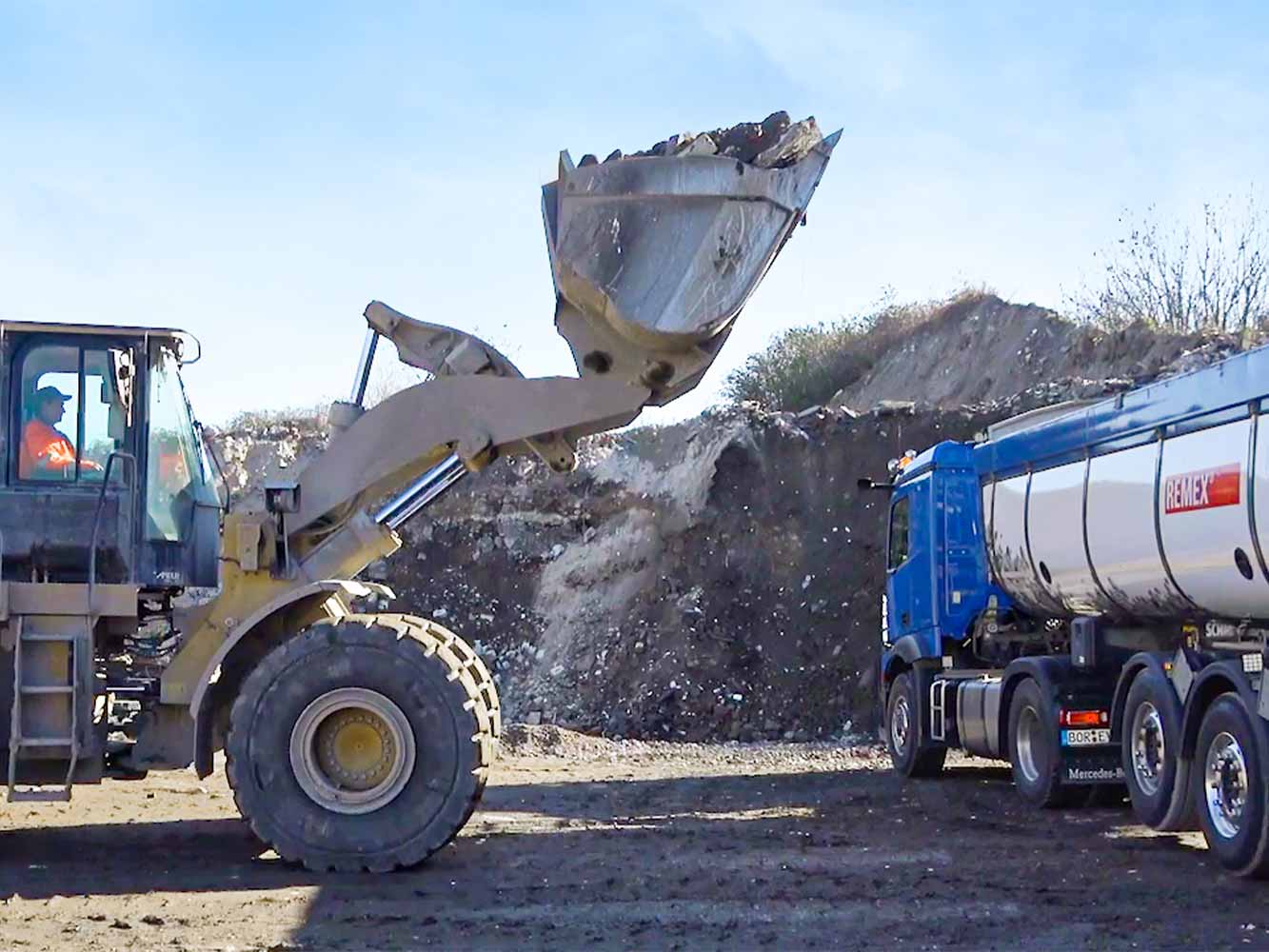
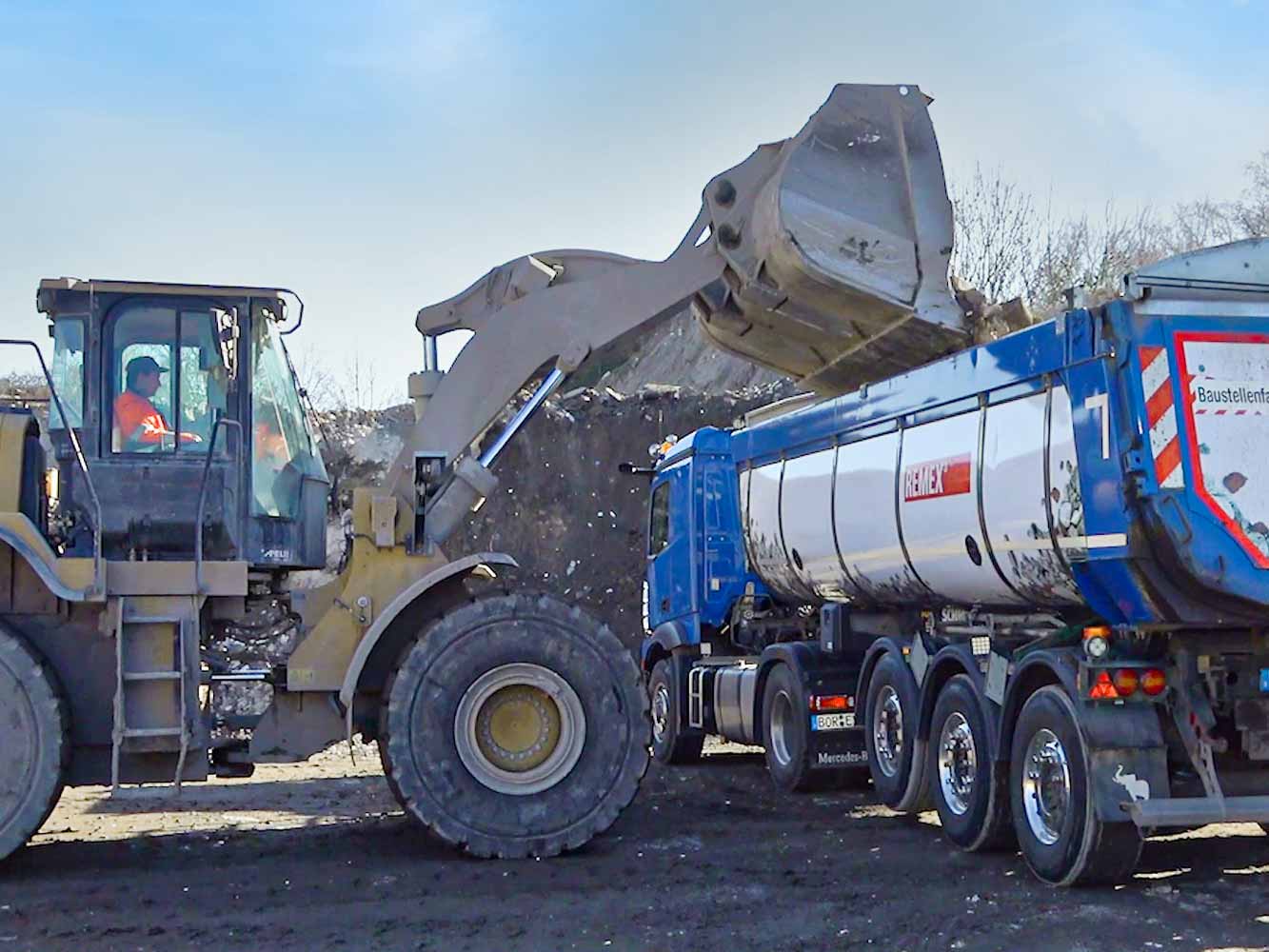
For around two years now, the REMEX GmbH in Kelsterbach – part of the REMEX South-West region – has been collecting soil and mineral construction waste from the Staudinger power station site. To date, around 100,000 tonnes of material have been processed. The concrete generated is particularly well suited to recycling. At the REMEX plant near Frankfurt, it is processed into recycled construction materials, which are then used as secondary Aggregates on regional building sites.

Secondary Aggregates Directive establishes a clear framework
The processing and recovery of disposed mineral materials are carried out in accordance with the requirements of the German regulation on Secondary aggregates. This regulation replaced the regional regulations in 2023 and establishes uniform national quality and environmental standards for the use of mineral substitute construction materials. In doing so, it strengthens confidence in recycled aggregates as a sustainable alternative to primary raw materials. For developers, Investors and construction companies, this means legal certainty; for the environment, it means reduced resource consumption.
High-quality recycling instead of landfilling
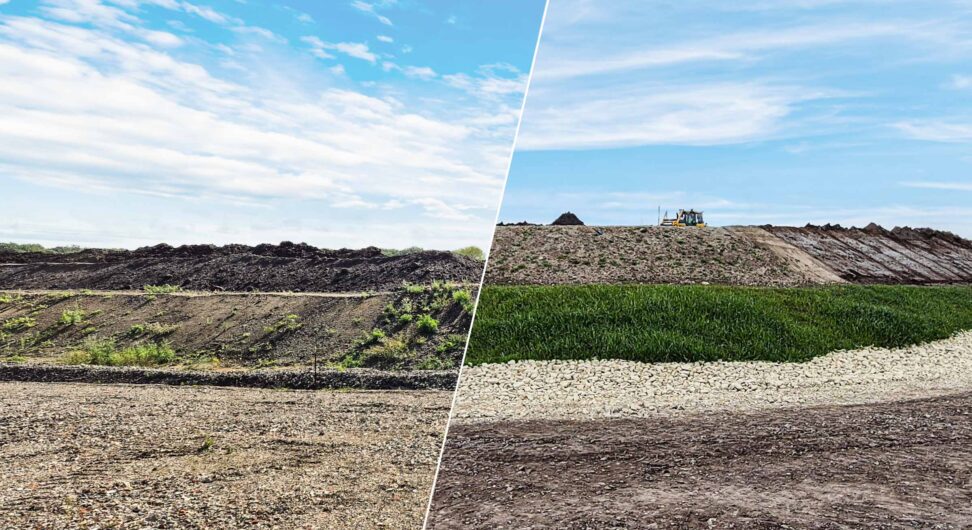
Soil is often the material of choice for backfilling, embankments and land reclamation; recycled construction materials – particularly those made from crushed concrete – are structurally ideal for industrial and infrastructure projects where high traffic loads are anticipated. Every tonne of processed recycled construction material and every cubic metre of soil replaces a corresponding quantity of natural building materials that would otherwise have to be extracted from quarries or gravel pits. The recycling of mineral construction waste from the Staudinger power station thus contributes directly to the conservation of natural resources whilst simultaneously reducing transport and disposal costs.
A circular economy in the construction sector protects large quantities of natural raw material
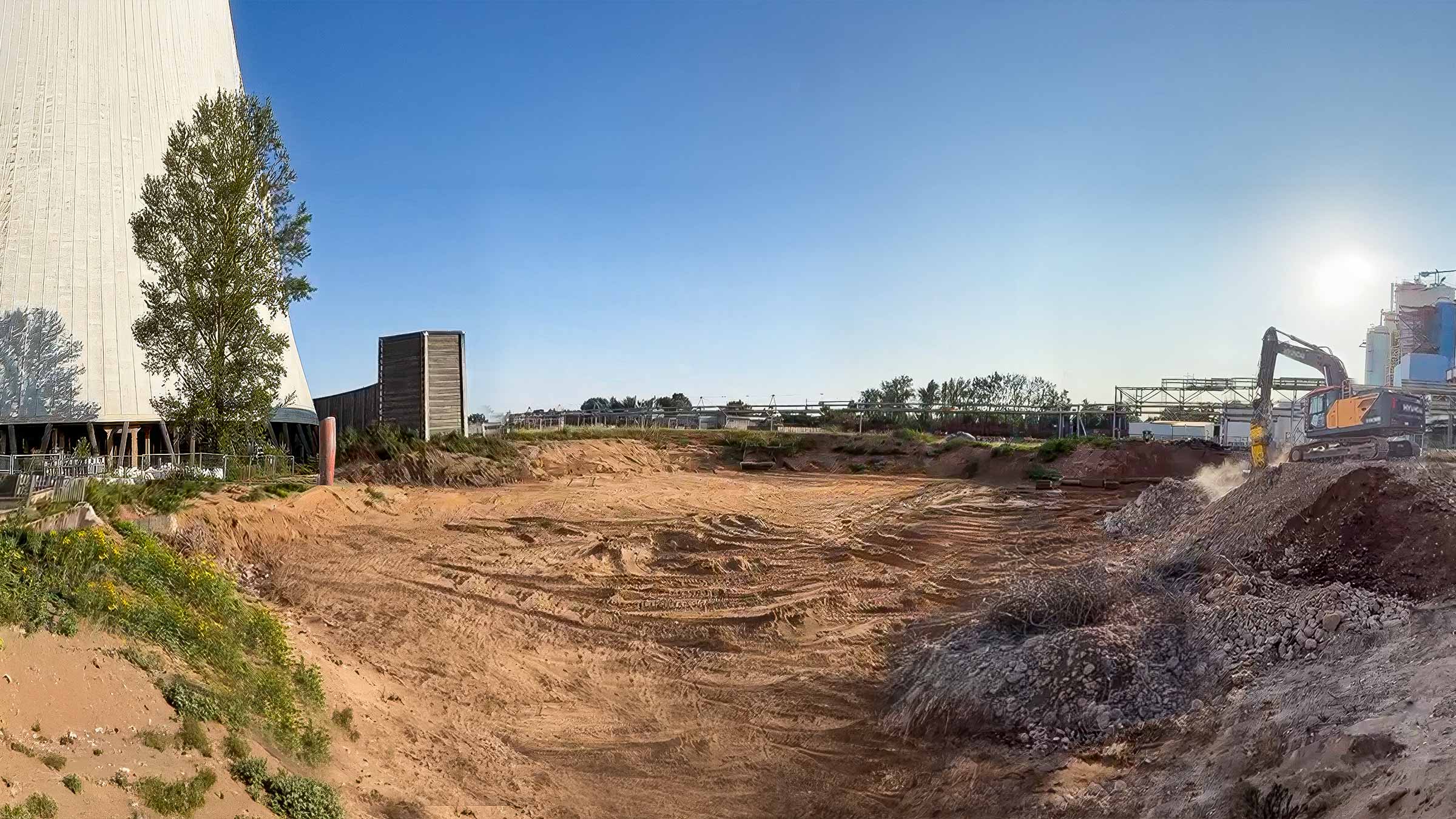
In Großkrotzenburg, the circular economy is being put into practice for large material flows on a major construction site: four cooling towers have already been demolished since May 2024. Following the controlled dismantling of each one, the mineral materials were sorted by type, transported away and, after processing, returned to the regional materials cycle as recycled construction materials. Thus, mineral recycling makes an active contribution to a resource-efficient construction industry whilst also supporting the transformation of the power station site.
The power station Staudinger
The Staudinger power station in Großkrotzenburg, situated south of Hanau in the Main-Kinzig district, is undergoing a comprehensive transformation process. Uniper, as the operator, is gradually decommissioning parts of the conventional power station that are no longer required and preparing the site for its future role in energy supply. Plans include the construction of new units, which are to be powered initially by natural gas and later by hydrogen. The power station units that are still system-relevant will remain on the grid as reserve capacity until at least 2031.
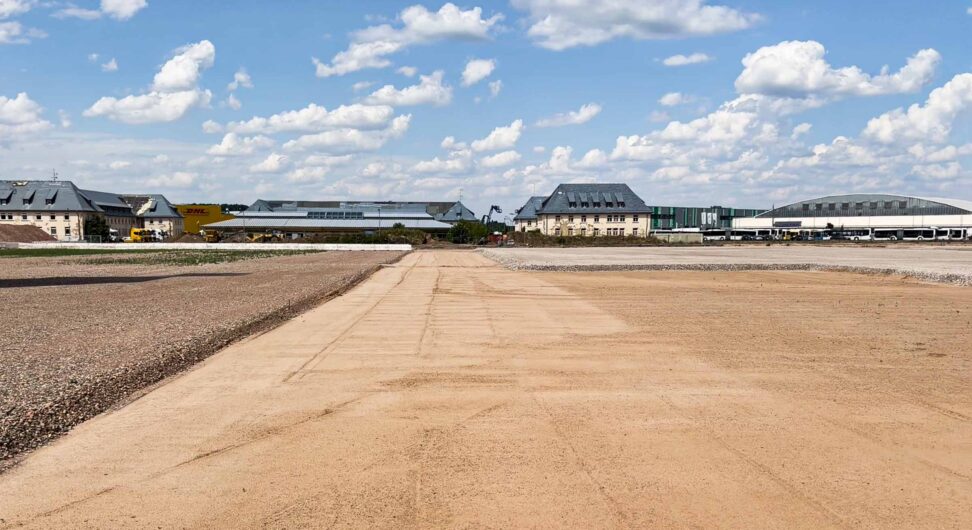
During the decommissioning of the Staudinger power station, mineral construction waste is processed into recycled aggregates and returned to the material cycle, conserving natural resources such as soil, aggregates and sand.
Share article